

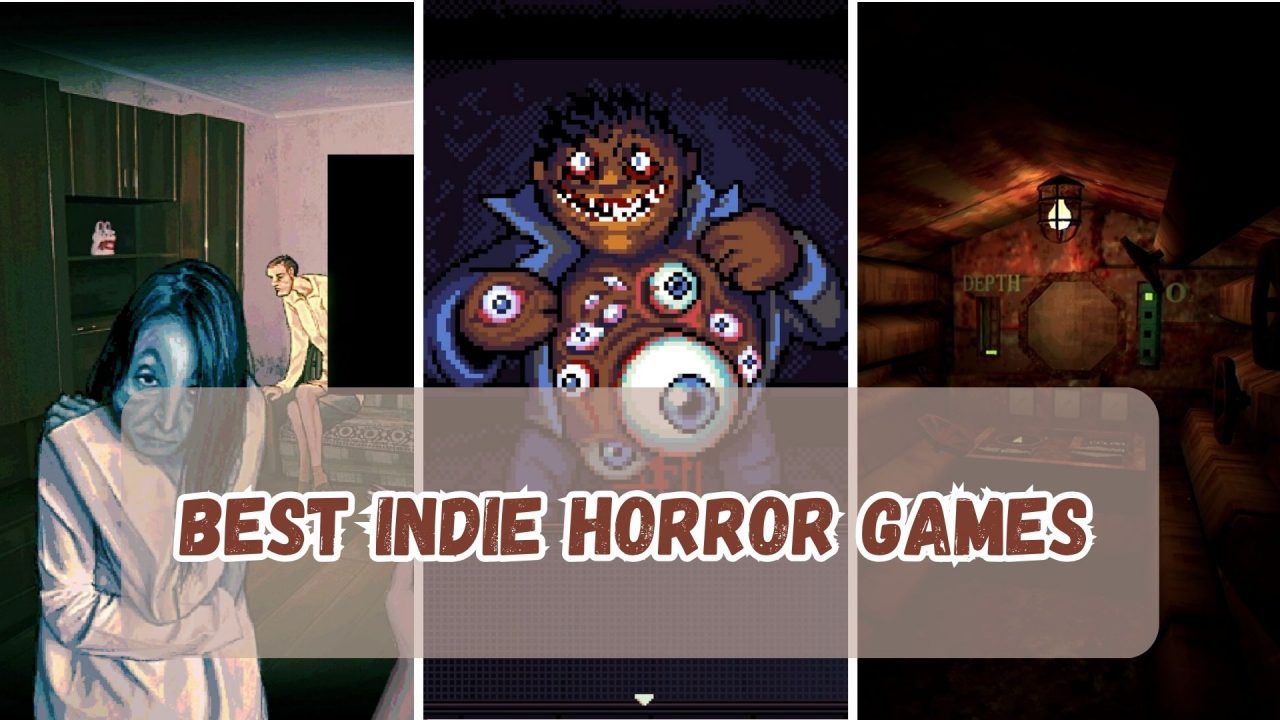
Some horror games leave you counting bullets outside a locked door. Others make you suspicious of everyone who knocks on one. And sometimes, you just want to hear your friends panic while a perfectly reasonable plan falls apart.
The best indie horror games give you plenty of ways to get uncomfortable. You can work through a disturbing story alone, survive on whatever supplies you find, or bring friends along for a dangerous job. These 10 picks cover different kinds of scares, so you can choose how you want to spend your next nervous evening.
1. SIGNALIS – Best for Classic Survival Horror

Playing as Elster, a technician Replika searching for her lost partner, you enter a dystopian sci-fi world of damaged machinery, hostile creatures, and difficult questions.
SIGNALIS pairs resource management with puzzles, so you need to think about what you spend and where you go. Its story asks for similar attention as you piece together connections between identity, memory, and the strange places around you.
Choose this if you enjoy studying clues and making careful decisions under pressure. Give the mystery room to develop, too. Looking up explanations early can spoil the pleasure of connecting things yourself.
2. Mouthwashing – Best for a Disturbing Story

Five crew members are stranded aboard the Tulpar, a wrecked space freighter. Supplies are dwindling, rescue looks hopeless, and everyone has to keep living with everyone else.
That setup gives Mouthwashing plenty to work with before anything visibly frightening happens. You follow the crew through a first-person psychological horror story where isolation and their treatment of each other make the situation increasingly uncomfortable.
Go in knowing as little about the characters as possible. This is a good pick when you want to follow a grim narrative and pay attention to what people say, do, and avoid admitting.
3. Darkwood – Best for Survival and Preparation

In Darkwood, daytime gives you a chance to gather resources and investigate the woods. Night sends you back to shelter, where your preparations start to matter.
You can barricade entrances, set traps, and prepare weapons, but supplies have to stretch. Every trip outside becomes a decision about what you need and how much danger you can afford.
The developer describes it as atmospheric horror without jump scares. Expect sustained tension and limited guidance instead. If you like learning through experimentation, the lack of quest markers gives you plenty to figure out.
4. Amnesia: The Bunker – Best for Unpredictable Encounters

A First World War bunker is already an unpleasant place to be trapped. Add a creature that reacts to your actions and sounds, and even a simple supply run becomes a problem.
Amnesia: The Bunker gives you scarce equipment and several ways to tackle obstacles. That freedom encourages experimentation, although making a racket can attract exactly the attention you hoped to avoid.
Keeping the lights on adds another demand on your resources. You’re constantly weighing progress against the consequences of whatever you’re about to try.
5. Crow Country – Best for Retro Horror and Puzzles

An abandoned theme park gives Crow Country a setting full of things worth investigating. As you solve puzzles and open new routes, you learn why the park closed and what happened to its owner.
Its retro visuals suit the strange attractions, while the interconnected investigation gives you reasons to revisit earlier areas with new information.
There’s also a useful option if combat pressure puts you off. Exploration Mode removes monster attacks, so you can concentrate on the park’s riddles and story at your own pace.
6. Look Outside – Best for Turn-Based Body Horror

Something terrible happens to people who look outside. With grotesque creatures around your apartment building, staying alive means venturing out for food, weapons, and answers.
Look Outside turns that situation into a survival-horror RPG with turn-based battles. Distance between you and an enemy matters, and makeshift equipment helps you get through encounters.
Returning home gives you time to cook, craft, recover, and get to know potential allies before you head out into danger again. That rhythm makes the apartment feel valuable, because each expedition has somewhere you desperately want to return to.
7. No, I’m not a Human – Best for Paranoia

Deadly sunlight keeps people indoors during the day. At night, strangers arrive at your door and ask for shelter. Some are Visitors who resemble humans.
In No, I’m not a Human, you question guests and look for signs that something is wrong. Isolation carries its own danger, so refusing everyone leaves you with another problem.
This is a strong choice if you enjoy decisions made with incomplete information. A conversation becomes much more tense when the person answering might be a threat.
8. R.E.P.O. – Best for Six-Player Co-op Chaos

Moving fragile valuables would be easier without monsters nearby. Unfortunately, R.E.P.O. makes both part of the job.
You and up to five friends use physics-based tools to retrieve objects from dangerous locations. Heavy furniture and delicate items demand coordination, while proximity voice chat makes communication part of the experience.
Bring a group that enjoys awkward teamwork and plans that go wrong. Just remember that it remains in Early Access, so you’re joining a game that is still in development.
9. Phasmophobia – Best for Ghost Investigations

Phasmophobia gives up to four players a specific job. Gather paranormal evidence and work out which ghost is haunting the location.
EMF readers, thermometers, and Spirit Boxes help you narrow down the answer. Your group can divide responsibilities, with someone monitoring the investigation from the truck while others enter the building.
It suits players who want to learn systems together and compare findings under pressure. The game also remains in Early Access, with custom difficulty options available if you want more control over your investigations.
10. Iron Lung – Best for a Short Horror Session

You’re sealed inside a tiny submarine beneath an ocean of blood. Your job is to reach marked locations and take photographs, despite having very little direct visibility.
Iron Lung makes you rely on instruments, an incomplete map, and grainy camera images. Those limitations leave plenty of room to worry about what might be nearby.
The developer intends it to take under an hour, which makes it an easy fit for one evening. You still need patience. Rushing through unfamiliar surroundings in a failing submarine is a questionable strategy.
Which Indie Horror Game Should You Play First?
Start with the kind of pressure you enjoy. Puzzles and limited supplies give you problems to solve, while psychological stories ask you to sit with uncomfortable ideas. Co-op adds another layer of pressure because your friends’ decisions affect your chances of survival.
The best indie horror games make those differences count, so choose the experience that interests you and leave the plot summaries alone.
For more games to add to your list, check out MMO Culture’s featured articles and find something for your next session.