


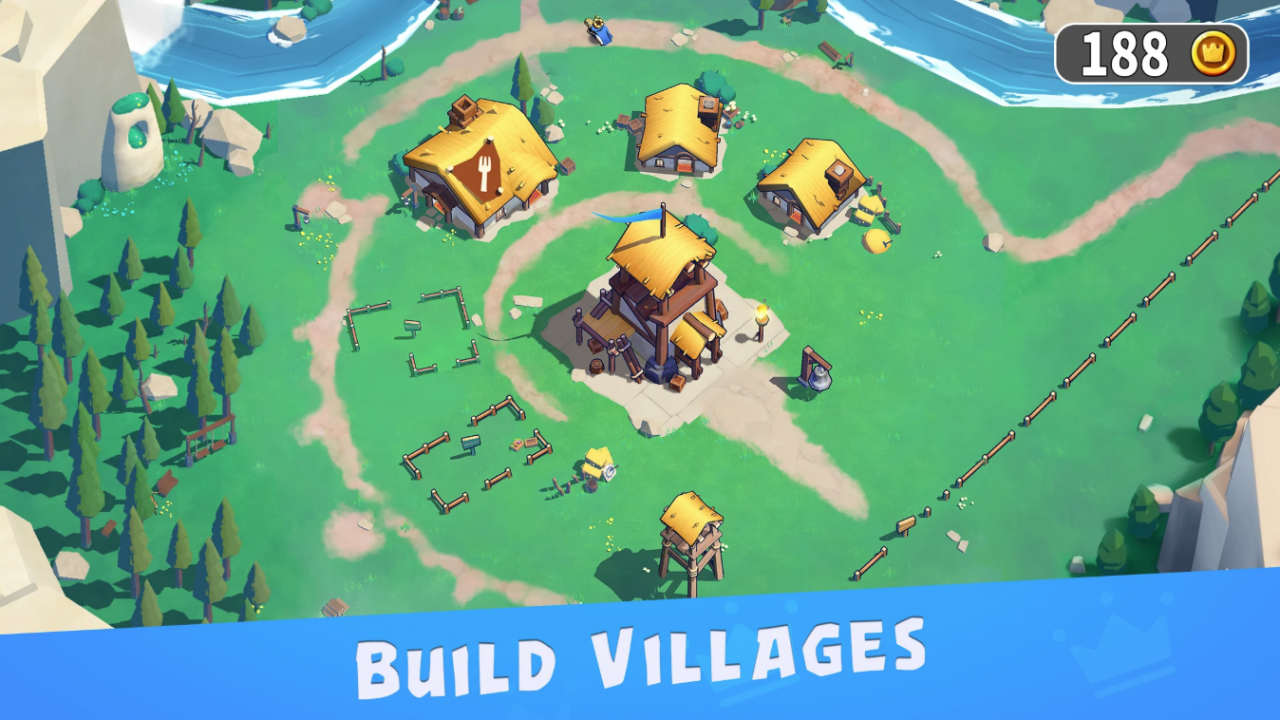
Your town in Kingshot only moves as fast as the people inside it. Survivors cook, mine, chop, and farm, and their condition decides how much work actually lands. This guide covers the Kingshot best survivor roles across workers, hunters, and chefs. It also shows how to shift that split as your Town Center climbs. You will learn which meals to serve, why survivors keep falling sick, and which buildings quietly lift your whole economy.
How Survivor Roles Work in Kingshot?
Kingshot splits your population into three jobs: workers, hunters, and chefs. Each job keeps a different part of the town running. Your task as governor is to watch their health and happiness, and to treat illness before it spreads.
In practice, these are jobs and not permanent classes. You slot survivors into production buildings, and you can move them whenever your bottleneck changes. That flexibility is the whole game here. A town drowning in wood but starving for bread does not need more survivors, it needs a different assignment sheet.

Two things govern how much work a survivor actually delivers:
- Health condition, which comes from fullness and sleep quality. Hungry, poorly rested survivors fall ill and can die.
- Happiness, which comes from mood and comfort. Unhappy survivors drag production down and push your town toward unrest.
Everything below is built on that. Roles decide what gets produced. Condition decides how much of it you keep.
The Three Kingshot Survivor Roles Explained
Workers: Wood, Stone, and Iron in Kingshot
Workers staff your raw material sites. Wood comes from the Sawmill, stone from the Quarry, and iron from the Iron Mine. Upgrading these buildings raises output, so worker count and building level multiply each other.

Wood is the tyrant of the early game. Almost every Town Center step and furniture upgrade eats it, and you will feel that pinch first. Stone arrives next, and iron soon becomes the wall blocking mid-game construction.
Keep worker assignments tied to your next upgrade rather than your lowest stockpile. That single habit saves days of wasted production.
Hunters: The Mill and Your Kingshot Bread Supply
“Hunter” is the food role, and the Mill is where that work happens. It is the second production building you open. Its furniture set includes the Workbench, Rest Area, Oven, Millstone, Threshing Machine, and Tool Rack.

Bread is the most overworked resource in Kingshot. It feeds your survivors through the Kitchen, and it also pays for troop training, healing, and building upgrades. Starve the Mill and three systems fail at once.
This is where most stalled towns go wrong. Players stack survivors on wood, watch bread drain away, then wonder why residents keep getting sick. Your hunters are not optional staff. They are the input for your entire food chain.
Chefs: Running the Kingshot Kitchen
Chefs turn raw bread into meals, and the Kitchen runs that process in three phases. Survivors prepare meals using bread from storage, then others queue at the Sideboard to collect them. Everyone eats at the Dining Tables.

Each phase costs time, and that time is the hidden tax on your town. Higher Kitchen levels and better furniture speed all three phases up. A survivor who does not eat before their shift ends may gain no fullness at all.
The improvement across ten levels is dramatic. Preparation drops from an eight second cook time at Level 1 to two seconds at Level 10. Distribution falls from 0.8 seconds to 0.1, and eating time shrinks from 6.5 seconds to 3.5. Kitchen Levels 1, 4, and 7 each add another working survivor slot.
Understaff the Kitchen and the queue backs up. Survivors miss meals, fullness stalls, and your carefully staffed mines start losing people.
Best Kingshot Survivor Role Split by Town Center Stage
There is no single correct ratio, because your bottleneck keeps moving. Use this as a priority order rather than a fixed formula.
| Stage | Role priority | What to watch |
| Early (TC 1–7) | Workers first, then hunters, minimal chefs | Wood shortages stall every upgrade. Keep the Kitchen fast enough to feed a small population. |
| Mid (TC 8–15) | Balanced workers and hunters, growing Kitchen crew | Population grows quickly here. Bread demand rises from both meals and troop training. |
| Late (TC 16–30) | Hunters and chefs first, workers rotated by need | Bread costs climb steeply at high Town Center levels. Sickness becomes expensive to fix. |
The pattern is simple. Early on you are building, so you need materials. Later you are sustaining a large population, so you need food throughput.
One reliable check works at every stage. If survivors are sick or dying, move staff toward the Mill and Kitchen before touching anything else.
Kingshot Food Management: Choosing the Right Meal
The Kitchen lets you pick what your town eats, and this is the most underrated setting in the game. Kingshot offers three meal types. Higher quality meals use more bread, but the extra fullness keeps survivors from sickening or dying.

| Meal | Bread cost | Fullness restored | When to use it |
| Sawdust Bread | Lowest | Lowest tier | Emergency only, when bread storage is nearly empty |
| Cheese Pizza | Moderate | Middle tier | A workable middle ground while you grow Mill output |
| Deluxe Feast | Highest | Highest tier | The default target once your bread income is stable |
Deluxe Feast should be your default the moment bread income allows it.
Players resist this because the bread cost looks alarming on paper. The maths still favours the feast. Sick survivors stop producing, and clinic time is dead time. Replacing a lost resident costs far more than a few thousand bread.
Why Do Your Kingshot Survivors Keep Getting Sick?
If residents fall ill after you have already upgraded housing, the food is usually the culprit. Low quality meals are the common cause. Upgrade the Kitchen and switch to better food so survivors fill up before mealtime ends.
Run through this checklist before you panic:
- Meal quality. Sawdust Bread as a permanent setting will slowly kill your town.
- Kitchen speed. Slow phases mean survivors miss the eating window entirely.
- Chef count. Too few chefs creates a queue that nobody ever clears.
- Housing level. Poor sleep quality drags health down even when fullness looks fine.
Kingshot Town Optimization: Buildings That Multiply Survivor Output
Assignments only go so far. Your buildings set the ceiling.
Houses and Population Capacity in Kingshot
Houses give residents a place to rest and sleep, and you can build a maximum of eight. Upgrading Houses and their furniture raises your resident cap to 32. It also improves sleep quality, comfort, mood, and warmth.

You unlock these in waves as the Town Center climbs. Town Center Level 4 opens three Houses, and Level 10 unlocks the seventh and eighth.
Do not rush population past your food capacity. More survivors on the same Mill output simply means more hungry survivors.
The Kingshot Clinic Is Not Optional
The Clinic is where sick survivors recover. Upgrading the building and its furniture improves treatment effectiveness, cuts healing time, and increases the wellness each treatment restores.

Treat the Clinic as production infrastructure. Every hour a survivor spends ill is an hour of lost output, so faster healing directly raises your working headcount.
Kingshot Court of Justice Decrees and Survivor Mood
The Court of Justice is the lever most players forget. It holds Decrees that grant town-wide benefits. Each one costs Contentment points, which your residents earn while working.
| Decree | Cost | Effect | Cooldown |
| Urgent Mobilization | 50,000 | Residents work 48 resident hours, mood drops 10 points | 8 hours |
| Productivity Day | 50,000 | Productivity rises to 100% at all workstations for 24 resident hours, mood drops 10 | 12 hours |
| Festivities | 50,000 | Adds 50 mood and 30 comfort for one resident day | 1 day |
| Rush Job | 150,000 | Grants five resident days of resources from every worksite | 1 day |
| Comprehensive Care | 150,000 | Immediately heals every sick resident | 4 hours |
| Double Time | 800,000 | Speeds construction and upgrades by 20%, started within a five minute window | 23 hours |
Two of these decrees drain mood, so pair them properly. Run your production push first, then follow with Festivities to restore mood and comfort before anything breaks.
Comprehensive Care deserves a mention for anyone fighting an outbreak. It clears every sick resident at once, and a four hour cooldown makes it the most repeatable decree here.
Final Takeaway
The best Kingshot survivor roles are the ones matching your current bottleneck. Early on that means workers feeding construction. Later it means hunters and chefs keeping a large population healthy enough to work at all.
Three habits carry the most weight. Serve Deluxe Feast as soon as your bread income allows it. Keep the Kitchen staffed and upgraded so nobody misses a meal. Use Festivities to clean up after any decree that drains mood.
Want more such helpful tips for your favourite games? Read our latest tips and guides to elevate your gameplay to the next level!