


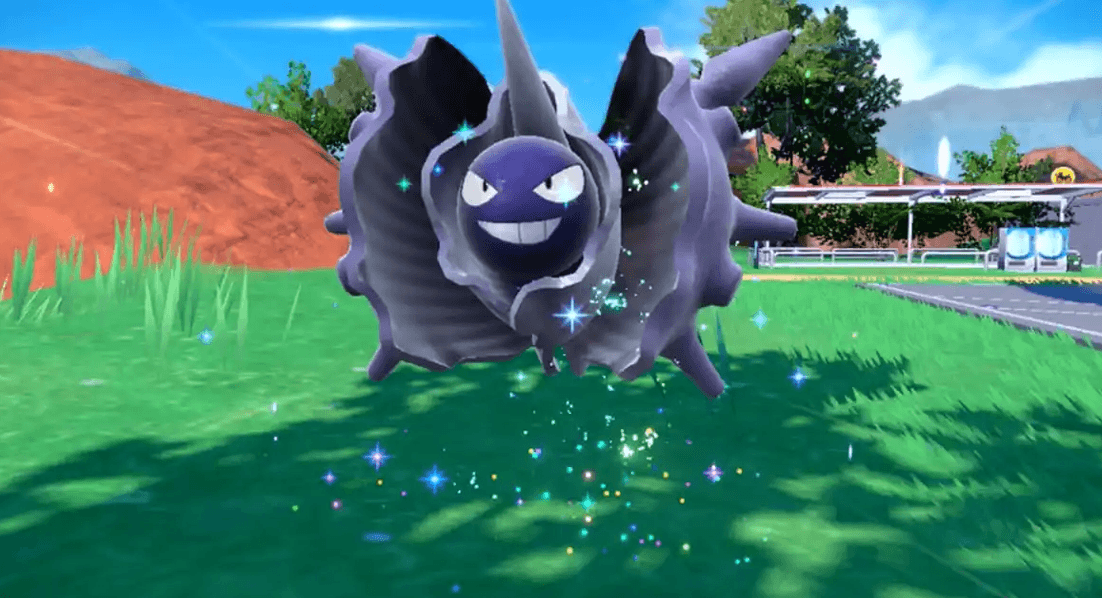
Cloyster combines Water and Ice typing with exceptionally high Defense, making this Generation I Pokémon a specialist rather than a straightforward damage dealer in Pokémon GO. Its access to moves such as Ice Shard, Icy Wind, and Liquidation gives it tools for disrupting opponents, applying pressure, and challenging certain popular Pokémon.
Cloyster isn’t a leading choice for raid damage or a dominant pick in open Great League, but it can still serve a purpose in specific matchups. This guide covers how to obtain it, its strengths and weaknesses, recommended movesets, and the best counters to use against it.
1. How to Get Cloyster in Pokémon GO
Cloyster evolves from Shellder, so collecting Shellder Candy is the simplest route to adding it to your Pokédex.
- Evolution requirement: 50 Shellder Candy.
- Weather boost: Rainy weather boosts Water-type encounters, while Snow boosts Ice-type encounters.
- Shiny availability: Both Shellder and Cloyster have shiny variants available. Evolving a shiny Shellder preserves its shiny form.
If you already have a suitable Shellder, evolving it is simpler than searching for a wild Cloyster. Check its appraisal before spending Candy, especially if you intend to use the resulting Pokémon in Trainer Battles.
2. Cloyster’s Max CP and Stats
Cloyster’s most notable attribute is its Defense, but its low Stamina limits how much damage it can withstand over an extended fight.
| STAT | VALUE/DESCRIPTON |
| Type | Water / Ice |
| Maximum CP at Level 40 | 2,547 |
| Maximum CP at Level 50 | 2,880 |
| Attack | 186 |
| Defense | 256 |
| Stamina | 137 |

Strengths
Cloyster’s high Defense helps reduce incoming damage, especially when an opponent isn’t using a move that exploits its weaknesses. Its Ice typing also gives it offensive coverage against Pokémon vulnerable to Ice attacks.
Weaknesses
Cloyster’s low Stamina limits its overall staying power despite its strong Defense stat. Its dual typing also creates four weaknesses, making careful matchup selection important. Unlike the main-series games, Pokémon GO doesn’t calculate a separate Special Defense stat. Cloyster’s durability is determined by its Defense and Stamina alongside the damage rules used by the game.
3. Cloyster Type Effectiveness: Weaknesses and Resistances
Cloyster’s Water/Ice typing gives it several useful resistances, but it also leaves it vulnerable to four attack types.
| MATCHUP | DAMAGE TAKEN | BATTLE IMPLICATION |
| Electric | 160% | Super effective |
| Fighting | 160% | Super effective |
| Grass | 160% | Super effective |
| Rock | 160% | Super effective |
| Water | 62.5% | Resisted |
| Ice | 39.1% | Double resisted |
What These Matchups Mean
Cloyster performs better against opponents that rely on Water or Ice-type attacks, especially when it can use its Defense to absorb pressure. Ice resistance is very valuable because Cloyster takes substantially reduced damage from that type.
Electric, Fighting, Grass, and Rock attacks are much more dangerous. Avoid placing Cloyster against opponents that can repeatedly exploit these weaknesses, because its limited Stamina leaves little room to recover from unfavorable fights.

4. Best Movesets for Cloyster
The most effective moveset depends on whether you want to use Cloyster in Trainer Battles or against gym defenders and raid bosses.
Great League and Trainer Battles
Recommended moveset is:
- Fast Attack: Ice Shard
- Charged Attack 1: Icy Wind
- Charged Attack 2: Liquidation
This combination gives Cloyster a useful balance of Ice damage, Water coverage, and opponent debuffing. Ice Shard provides Ice-type damage and energy generation, helping Cloyster reach its Charged Attacks.
Icy Wind is important because it guarantees an Attack reduction when it successfully hits an opponent, allowing Cloyster to weaken the opposing Pokémon’s subsequent attacks. Liquidation adds Water-type coverage, giving Cloyster another way to pressure targets that don’t respond as poorly to Ice damage.
PvP Strategy
Cloyster works best as a matchup-dependent specialist rather than a universal Great League carry. Its main contribution is combining Icy Wind’s debuff with coverage from its two attack types.
Use Icy Wind when reducing an opponent’s damage output could help Cloyster or its teammates survive longer. Liquidation provides an alternative attack when Water damage is the better choice.
Cloyster can pressure certain Flying, Ground, and other vulnerable opponents, but its own weaknesses and limited Stamina make team support important. Avoid treating it as a reliable counter to every popular Great League Pokémon; the outcome still depends on shields, energy, and the specific matchup.
Gym Defense and PvE Battles
Recommended moveset is:
- Fast Attack: Frost Breath
- Charged Attack: Avalanche
This pairing concentrates on Ice-type damage and is suitable when you want Cloyster to attack targets vulnerable to Ice. If you prefer Water coverage, Razor Shell is an alternative Charged Attack to consider. The right choice depends on the opponents you expect to face.
Is Cloyster Good for Raids?
Cloyster’s Defense might suggest that it would be an excellent raid Pokémon, but its modest offensive performance limits its usefulness as a dedicated raid attacker. If raid damage is your primary objective, stronger Ice- or Water-type attackers are generally better investments.
It can still be used for lower-pressure raids or when your available roster is limited. However, its strongest selling point is its defensive profile and specialized PvP utility, not maximum raid damage.

5. Best Counters to Beat Cloyster
When facing an opposing Cloyster, the simplest approach is to exploit one of its four weaknesses. Choose Pokémon with strong attacks of the appropriate type, and consider their own defensive matchups before committing to a battle.
Fighting-Type Counters
- Recommended Pokémon: Lucario, Conkeldurr, Machamp
Fighting-type attackers can deal super-effective damage to Cloyster, making them useful choices for removing it quickly. Pick Pokémon that can maintain offensive pressure without taking excessive damage from its attacks.
Electric-Type Counters
- Recommended Pokémon: Magnezone, Xurkitree, Zekrom
Electric-type attackers exploit Cloyster’s weakness and provide an effective way to challenge it without relying on Ice or Water damage. Zekrom and Xurkitree are quite useful options when your roster includes strong Electric-type moves.
Grass-Type Counters
- Recommended Pokémon: Zarude, Kartana, Rillaboom
Grass-type attacks hit Cloyster super effectively. These Pokémon can apply strong offensive pressure, although you should still consider their own survivability and the moves available to the opposing Cloyster.
Rock-Type Counters
- Recommended Pokémon: Rampardos, Rhyperior, Tyranitar
Rock-type attacks are another effective option against Cloyster. Rampardos offers substantial offensive power, while Rhyperior and Tyranitar provide alternatives depending on your available resources and movesets.
Regardless of which counter you choose, avoid selecting a Pokémon based on its type alone. A strong attack that directly exploits Cloyster’s weaknesses is more useful than a nominal counter with an unsuitable moveset.
6. Tips for Using Cloyster Effectively
- Select Favorable Matchups: Cloyster’s greatest advantage comes from combining its high Defense with resistance to Water and Ice attacks. Look for opponents against whom its typing and moves provide a clear benefit, rather than forcing it into unfavorable battles.
- Make Use of Icy Wind: The guaranteed Attack reduction from Icy Wind is one of Cloyster’s most useful PvP tools. Use it to reduce incoming damage and create more favorable conditions for the remainder of the fight.
- Don’t Overinvest Without a Clear Goal: Cloyster is a niche option, so consider your intended use before spending large amounts of Stardust and Candy. If you want a stronger raid attacker, another Pokémon may provide a greater improvement to your roster.
- Check IVs for Your Intended League: If you plan to use Cloyster in a CP-capped league, evaluate its IVs and level before powering it up. Pokémon with lower Attack IVs and higher Defense and Stamina IVs can often reach a higher overall stat within a CP limit, depending on the individual Pokémon’s level.
Cloyster is a defensive specialist with useful Water/Ice coverage, strong Defense, and a PvP moveset built around Ice Shard, Icy Wind, and Liquidation. Its Attack-debuffing capability can create opportunities in specific matchups, but its relatively low Stamina and four type weaknesses prevent it from being a universal choice. Cloyster can earn a place in a specialized roster, but it’s best treated as a situational option rather than a must-build Pokémon.
Read More
Looking for more game strategies and guides? Explore our full collection of tips & game guides to level up your gameplay!