


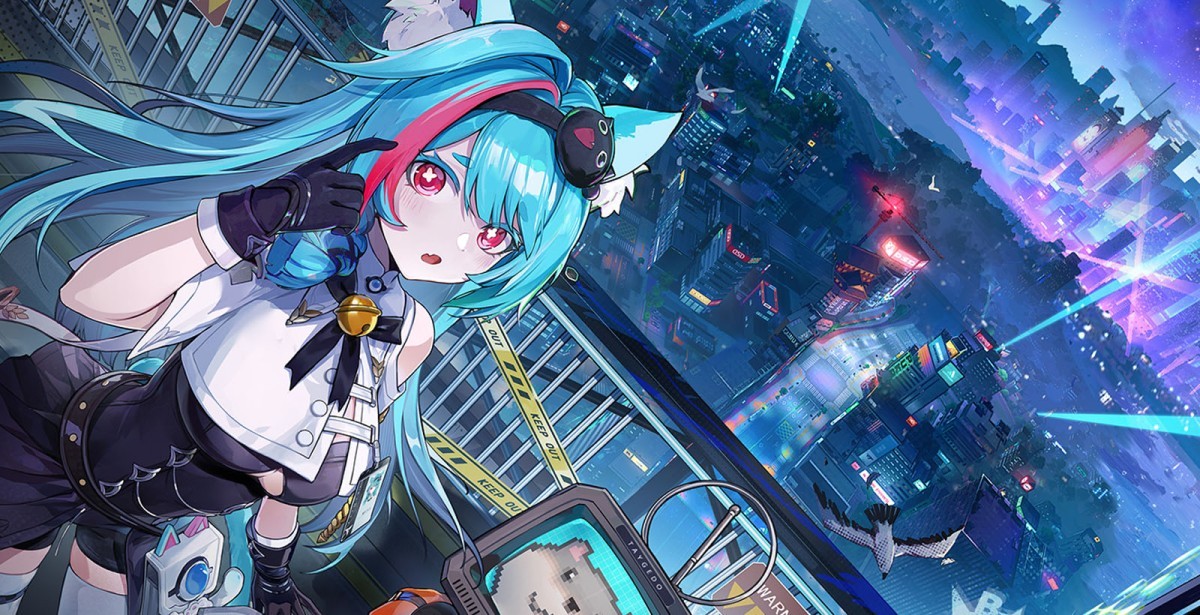
We have a new challenger stepping into the gacha arena, and it might just disrupt the whole space. Described as an urban open-world RPG, Neverness to Everness (NTE) leans heavily into the style of Cyberpunk 2077 and Grand Theft Auto rather than typical fantasy worlds like Genshin Impact. We haven’t seen anything quite like this attempted in the market before.

With developer Hotta Studio coming off a shaky history with Tower of Fantasy, is this their true redemption arc? Here is an honest breakdown of what works, where it stumbles, and whether the game has real staying power.
Technical Performance & Hardware Demands

If you have a powerful PC rig, NTE looks jaw-dropping. Nobody expected a mobile-centric title to reach these visual heights. However, maximum settings push mid-tier hardware to its limits. Running ray tracing at a locked 60 FPS requires serious hardware power and upscaling tech.
| Hardware Tier | Graphic Settings | Expected Performance | Target Resolution |
| High-End System | Maxed + Ray Tracing | Stable 60 FPS (Requires DLSS) | 1440p / 4K |
| Mid-Tier System | Medium Preset | Smooth 60 FPS (Ray Tracing Off) | 1080p |
| Budget System | Low / Medium Preset | 30–45 FPS (Occasional Drops) | 1080p |
⚡ Hardware Tip: If you are aiming for 60 FPS with ray tracing enabled, toggle DLSS Frame Generation on to prevent severe stuttering during heavy rain or dense city traffic.

Story, Combat, and City Exploration
The story starts on a lighthearted note. You play as an Appraiser—an anomaly hunter with memory loss operating out of a local antique shop in Hethereau City. While the supernatural setup sounds serious, it quickly balances out with bubbly character banter across various urban districts.
Combat Mechanics

The core combat loop feels familiar, but it is fast, fluid, and polished:
- Team Synergy: Field a team of 4 characters and swap mid-fight to trigger elemental reaction combos.
- Skill Rotations: Standard abilities pair with cooldown-based Ultimates and generous last-second dodge counters.
- Parry Windows: You can parry special enemy attacks using well-timed strikes or quick character switches.
World Traversal & City Atmosphere

Outside of combat is where NTE truly shines. You can run up walls, double-jump, glide, and buy custom vehicles to drive around town.
- Working Transit System: Climb train platforms, board passenger cars, and ride around Hethereau in a first-person view.
- Dynamic Weather: Rain adds realistic wetness effects to character models and noticeably reduces road grip while drifting.
- Living World NPCs: Playable characters do not vanish after their banner ends. You can spot them walking the streets or give them rides during side gigs.
- The Warrant System: Stealing cars or causing public chaos triggers a police Warrant Level. Cops spawn quickly and block fast travel, though hiding in your apartment clears the heat instantly.

Tycoon Systems & Gacha Progression
NTE mixes traditional gacha mechanics with cozy city-management simulation.
City Management
You can invest in local cafes, buy real estate, and hire playable characters as staff to utilize their passive life skills. You can even decorate apartments with “anomaly furniture” earned from side quests to unlock account-wide stat buffs.

Progression Breakdown
| Progression System | Mechanic Design | Overall Verdict |
| Console Modules (Gear) | Tetris-like grid placement for set bonuses | Positive: Sub-stats are visible before upgrading, saving precious resources. |
| Duplicate System | Dupes unlock toggleable passive perks | Mixed: Core build milestones remain locked behind copies 3 and 6. |
| 100% Rate-Up Banner | Soft pity at 70 / Hard pity at 90 pulls | Outstanding: Guaranteed banner character when landing a 5-star unit (No 50/50 RNG). |
| Skin Monetization | Outfits locked behind a 200-pull milestone | Negative: Forced to keep pulling even if you hit the character on roll #1. |
⚠️ The Cosmetic Trap: While the 100% character guarantee is very generous, outfit monetization is aggressive. Unlocking character skins requires hitting a 200-pull mileage threshold on the banner, forcing extra pulls if you want the cosmetic.

Endgame Longevity Concerns
NTE makes a fantastic first impression, but staying power is the main concern. Casual activities like driving, cafe management, or playing Mahjong will not keep core players logging in daily for months. If the late game devolves into repetitive time-trial combat arenas, the experience will stagnate.
Current Risks vs. Ideal Sandbox Direction
- Map Expansion: Instead of rushing out new open-world maps every few patches, the developers should focus on expanding, remodeling, and deepening the existing city.
- Endgame Modes: Instead of relying solely on generic time-trial combat arenas, they should add player-driven activities like custom race tracks and squad heists.
- Core Gameplay Loop: Instead of chasing standard, repetitive gacha daily routines, the game should lean heavily into vehicle tuning, housing, and urban customization.
Final Review Summary
NTE is a title you will jump into for the crisp combat and stunning visuals, but you will stick around because the urban atmosphere is top-tier.

Quick Verdict
Pros:
- Gorgeous UE5 visuals and lighting effects
- Highly player-friendly 100% banner rate-up (No 50/50)
- Immersive city life, urban transit, and vehicle gameplay
Cons:
- Warrant system feels like a minor inconvenience
- Scummy 200-pull milestone requirement for outfits
- Needs strong endgame sandbox content to avoid burnout
If late-game content runs thin down the line, don’t fall into the fear-of-missing-out trap. Enjoy it for a few weeks, take a break, and jump back in when a major content patch drops. It is well worth trying out.
Curious about other games? Read our latest game reviews and detailed impressions to find your next play.